Optimal Timing for Water Treatments
Water treatments are essential for maintaining water quality and ensuring safe, clean water for various uses. The optimal timing for water treatments depends on factors such as water source quality, seasonal changes, and usage patterns. Proper scheduling can enhance treatment effectiveness and prolong system lifespan.
Water quality can fluctuate with seasons, often requiring treatment adjustments during spring and summer when runoff increases contaminants.
Regular water treatments are recommended at least twice a year to prevent buildup of minerals and contaminants.
Treating water before peak usage periods, such as before summer, helps ensure consistent water quality during high demand.
After storms or heavy rainfall, water treatment may be necessary to address potential contamination from runoff.
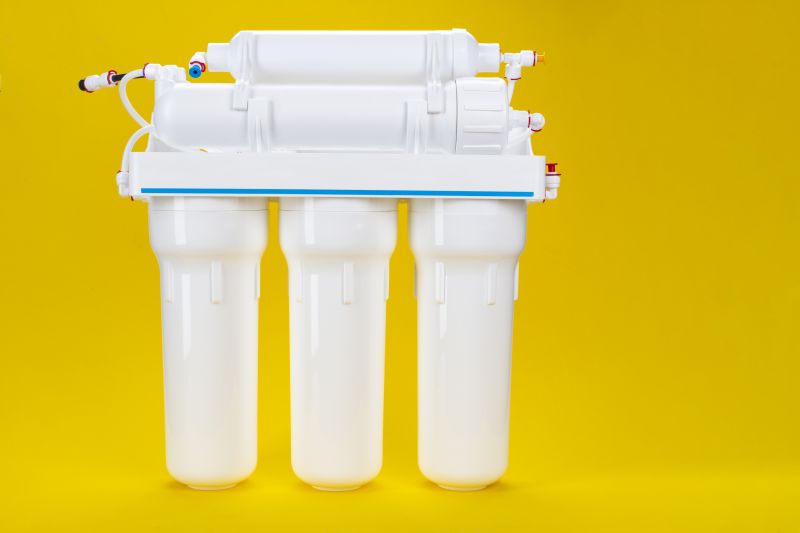
Various equipment like filters and purifiers are used to improve water quality.
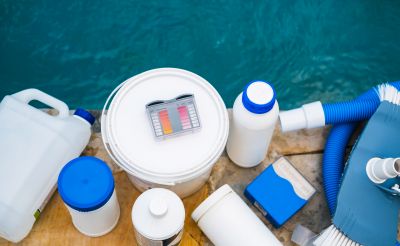
Regular testing helps determine the best timing for treatments.
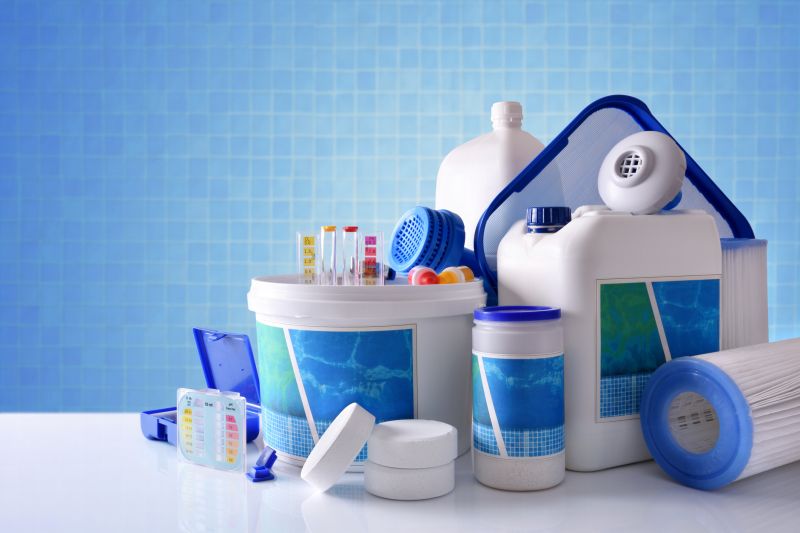
Chemical additions, such as chlorine, are applied at specific intervals for disinfection.
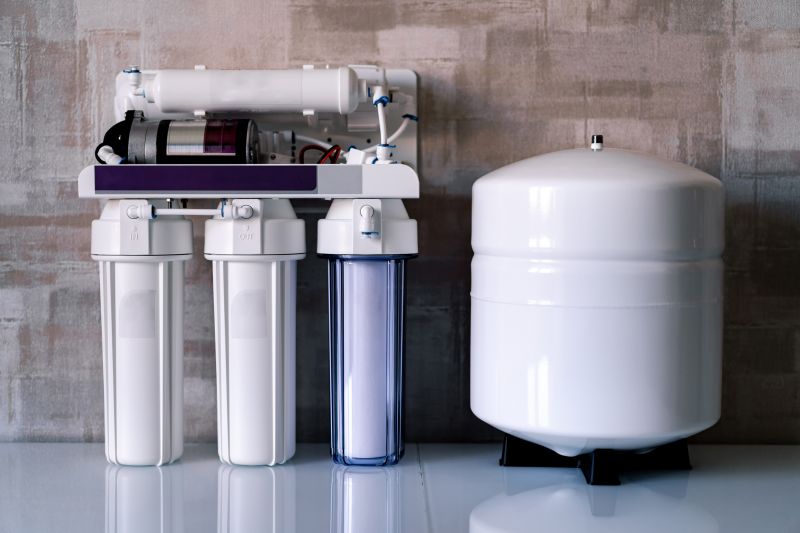
Filtration is often performed during scheduled maintenance to remove impurities.
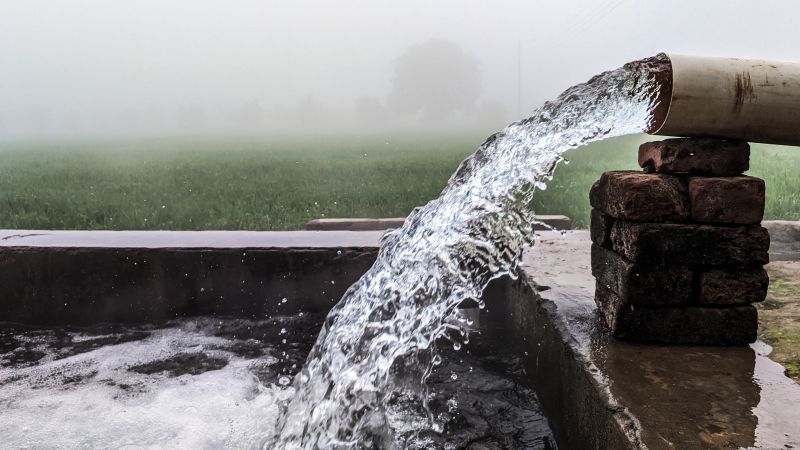
Monitoring water sources assists in planning effective treatment times.
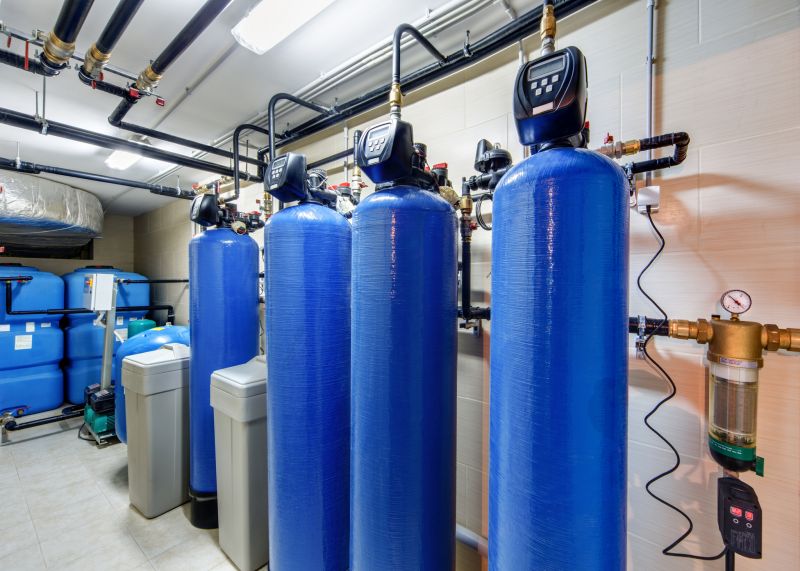
Operational schedules are aligned with water demand and quality cycles.
| Timing Aspect | Recommended Schedule |
|---|---|
| Spring | Perform system flush and water testing to address winter stagnation. |
| Summer | Increase treatment frequency during high usage and runoff periods. |
| Fall | Inspect and prepare systems for winter to prevent freezing and contamination. |
| Winter | Conduct minimal treatments, focusing on system maintenance and testing. |
| Post-Heavy Rainfall | Perform water quality assessments and treatment if necessary. |
| Pre-High Demand Season | Schedule comprehensive treatment to ensure water quality. |
Water treatments are vital for ensuring water safety and quality across residential, commercial, and industrial settings. Proper timing maximizes treatment efficiency, reduces long-term costs, and maintains system integrity. Regular assessments and adherence to seasonal schedules help address fluctuations in water quality caused by environmental and usage factors.
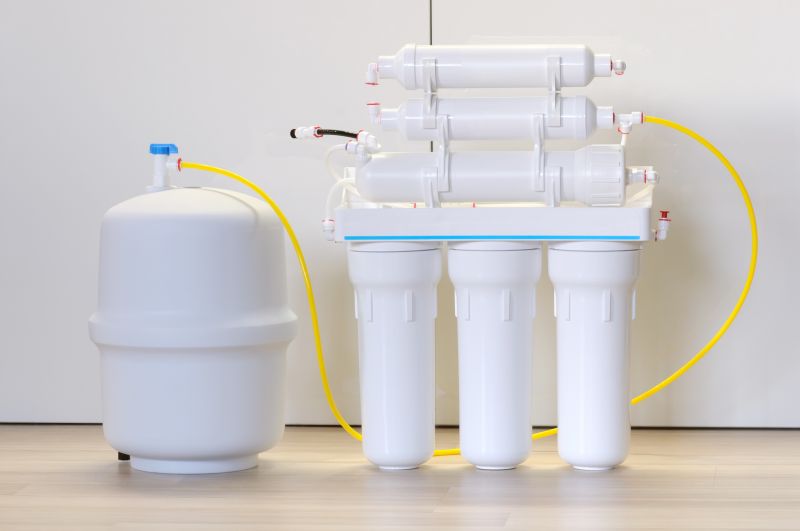
Installed for continuous water quality improvement.
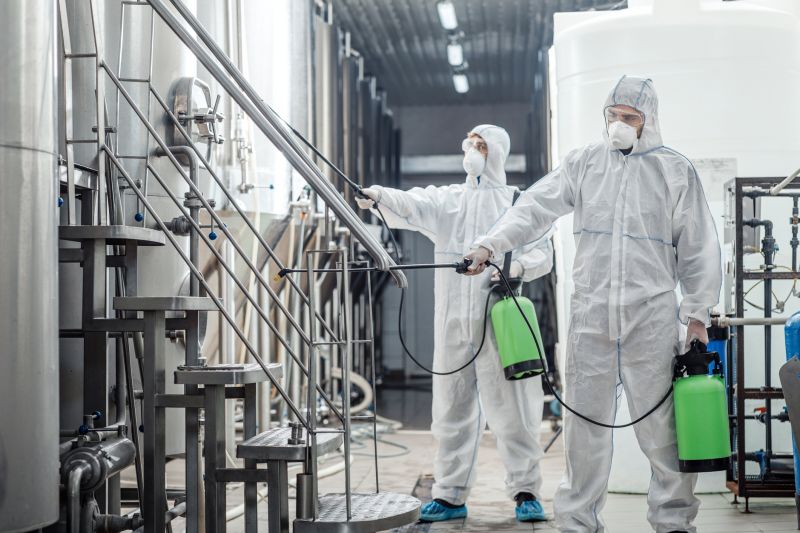
Used to eliminate bacteria and viruses at scheduled intervals.
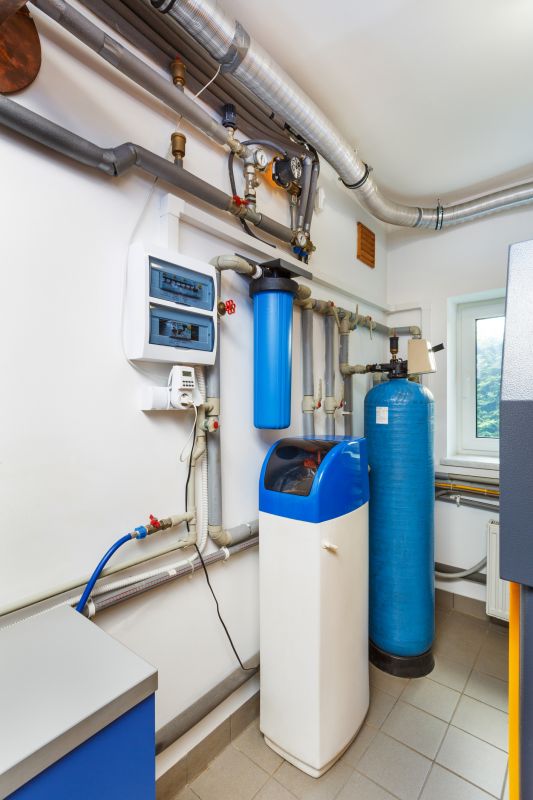
Conducts regular analyses to determine treatment needs.
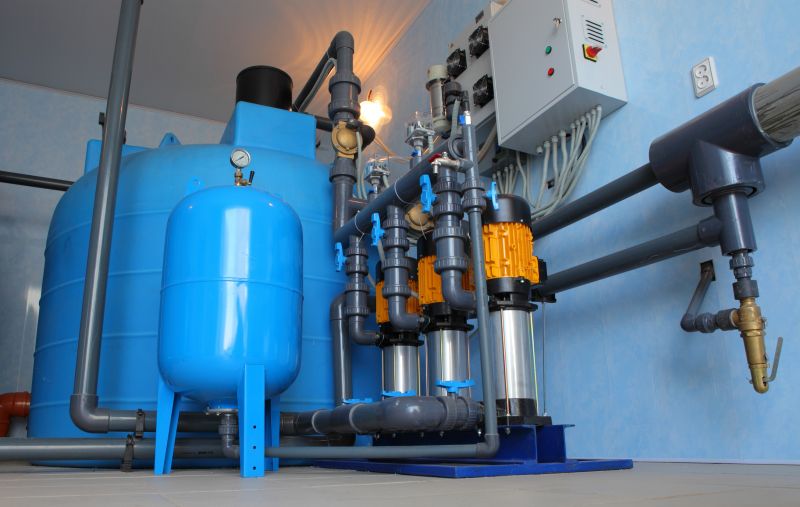
Operates year-round to ensure consistent water safety.
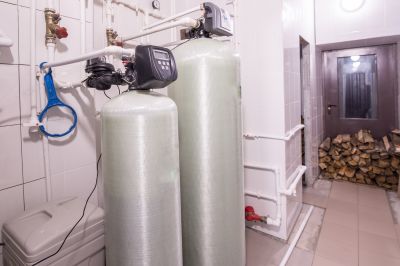
Ways to make Water Treatments work in tight or awkward layouts.
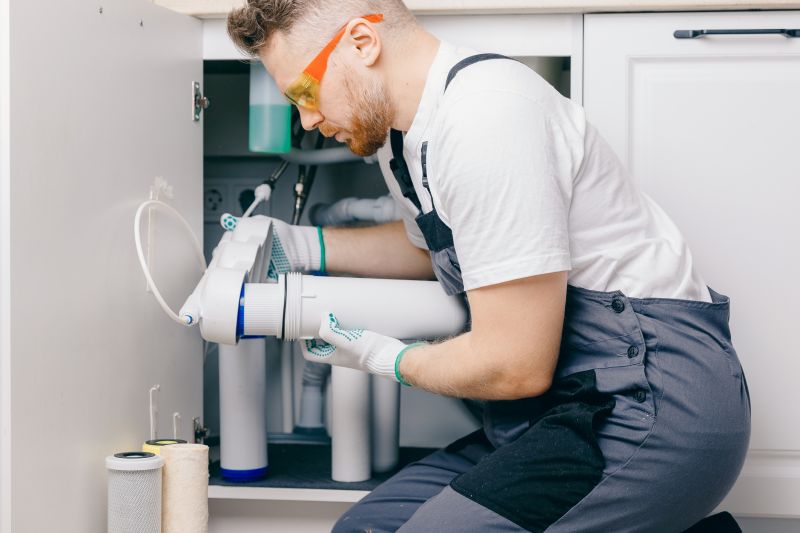
Popular materials for Water Treatments and why they hold up over time.
Understanding the optimal timing for water treatments can significantly impact water quality management. It is recommended to coordinate treatment schedules with water usage patterns and environmental conditions to achieve the best results. Regular consultation with water treatment professionals ensures that treatments are timely and effective.
Interested in scheduling water treatments? Filling out the contact form provides an opportunity to discuss specific needs and develop a tailored treatment plan to maintain water quality effectively.